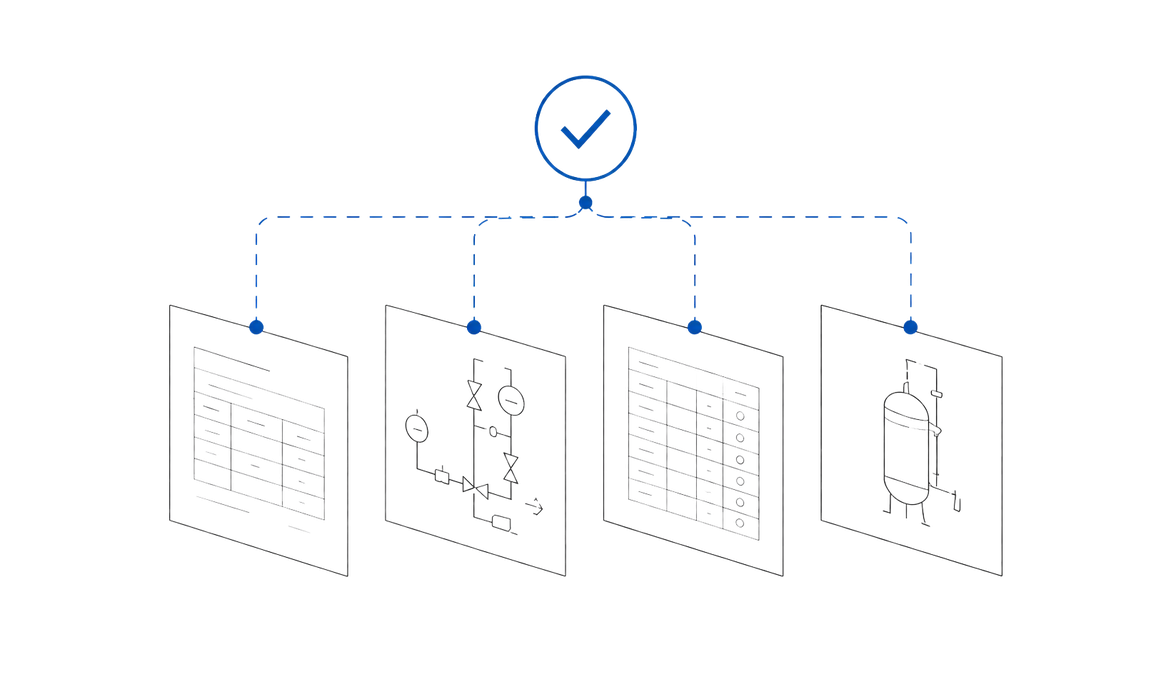
Layer / 01
Standards
Conformance to project standards and specifications, checked across documents rather than within them.


How it works
URUS reads your deliverables the way a senior engineer would — extracting what is on the page, cross-checking it against every related document, and returning findings you can follow back to the source.
The short version
No new workflow to learn and nothing to install — you send the documents you already produce.
Inside the engine
Five stages. Each is deterministic, and each leaves a record the next one builds on.
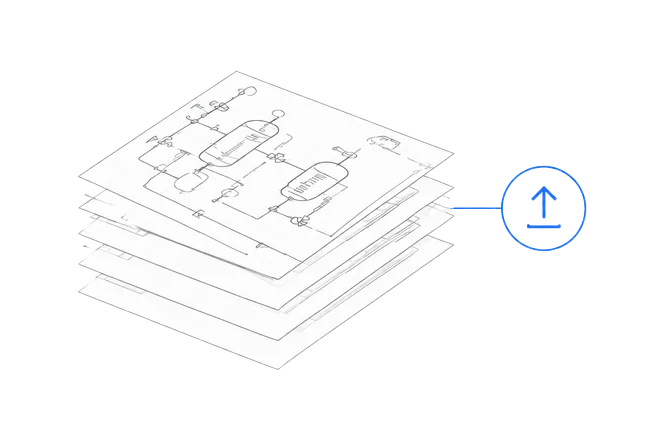
P&IDs and layout drawings, scanned or native. Project-specific documents only — nothing generic.
Equipment, tags, fluids, hazards, rooms and locations are read off the page. No assumptions.
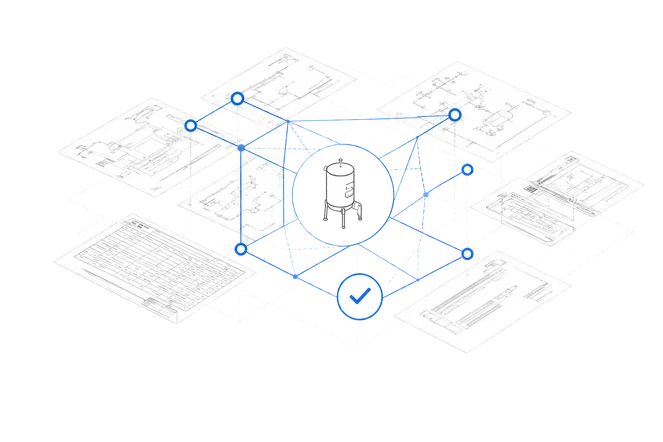
Equipment is linked to location, adjacency is identified, and interactions that no single document reveals are surfaced.
Your project standards, safety philosophy and segregation rules run across the extracted set.
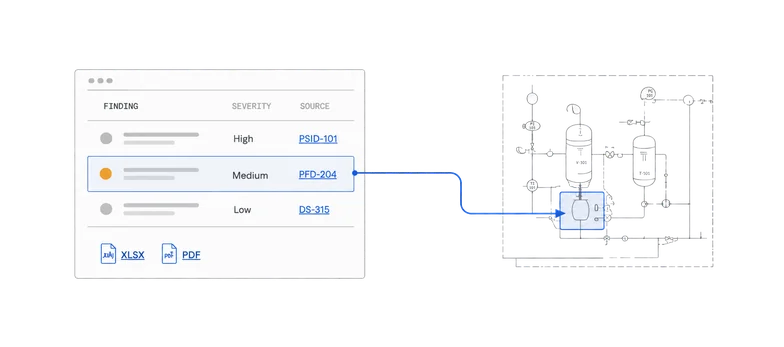
What the issue is, why it matters, and a practical recommendation — with the source reference attached.
URUS connects facts across drawings and raises risks early. Engineers and management stay fully in control of what happens next.
Preconfigured checks
Automated cross-document checks across P&IDs, metering and regulating station datasheets, pipeline line lists and more.
Layer / 01
Conformance to project standards and specifications, checked across documents rather than within them.
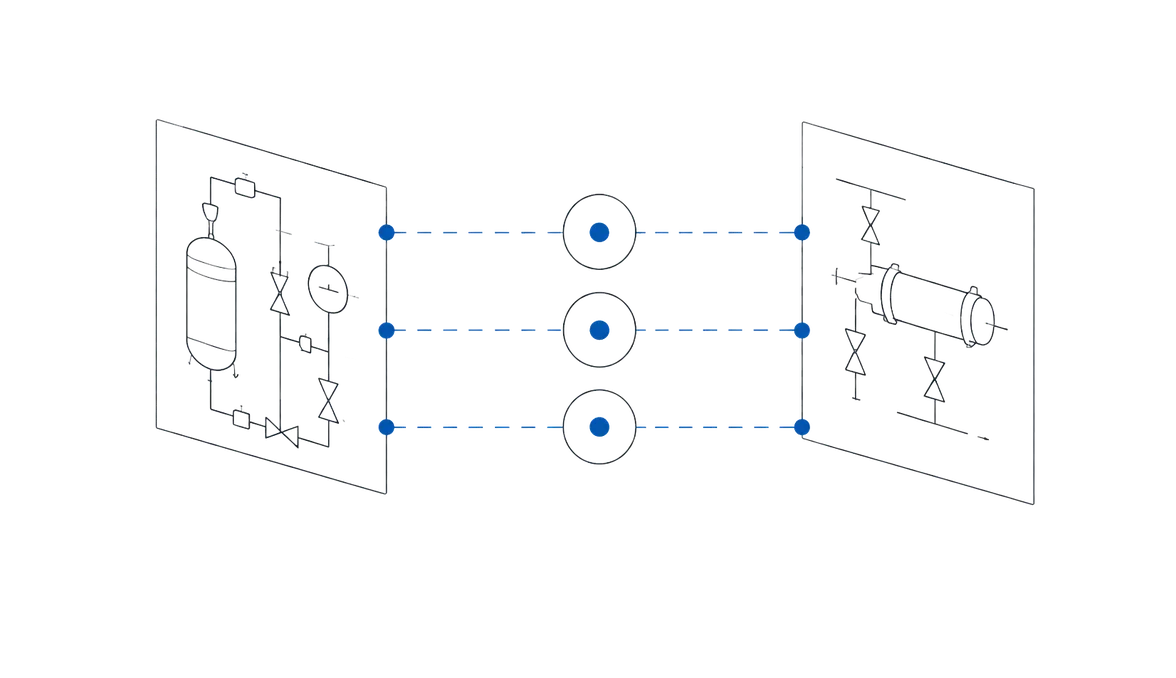
Layer / 02
Tag consistency and parameter logic between linked documents — the mismatches that only appear when two sheets are read together.
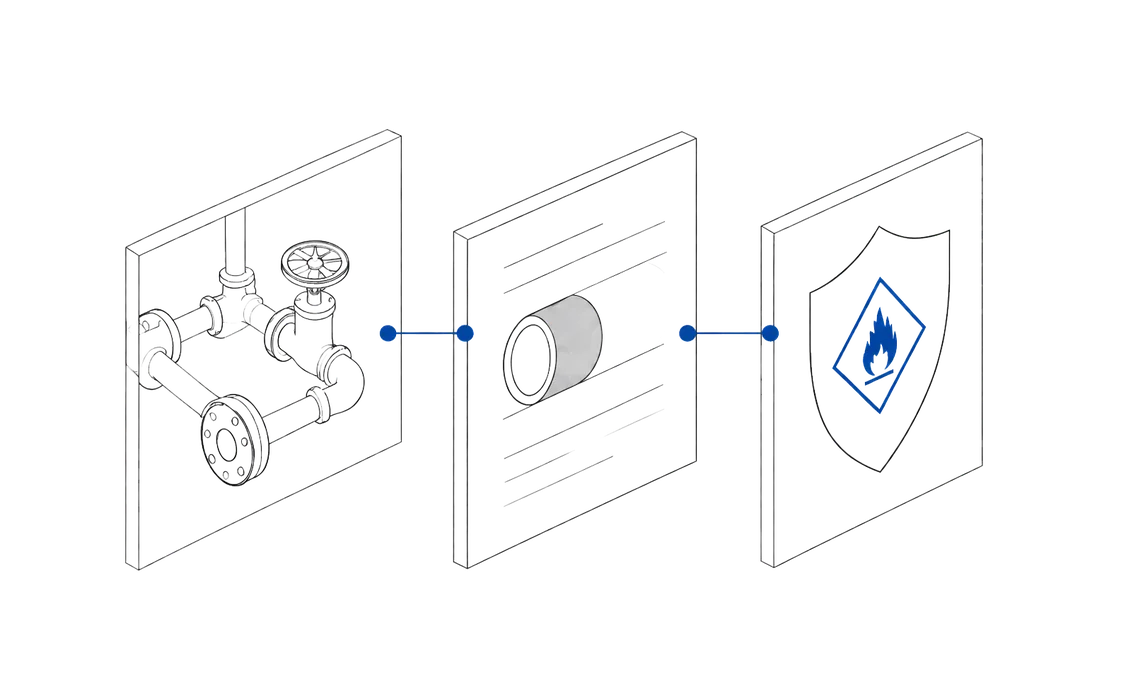
Layer / 03
Material specification alignment and safety-related cross-checks, including hazardous-area and segregation logic.
Side by side
Conventional review
2–5 weeks
Multi-engineer manual cross-checking, long approval cycles
With URUS
1–2 days
Automated cross-document review, one reviewer, full traceability
Let’s prove it
Full-access guided trial with white-glove onboarding on Day 1. No credit card. Data permanently deleted after the trial.
Book a demo